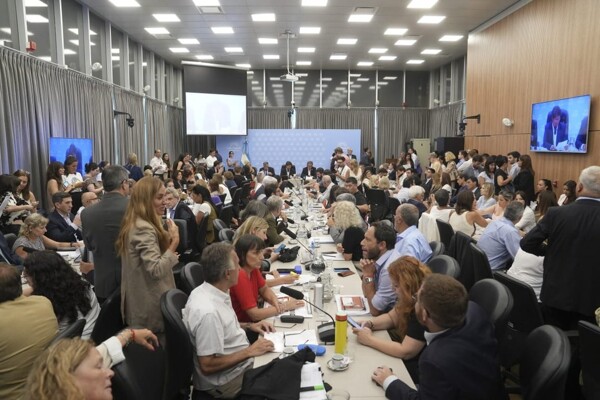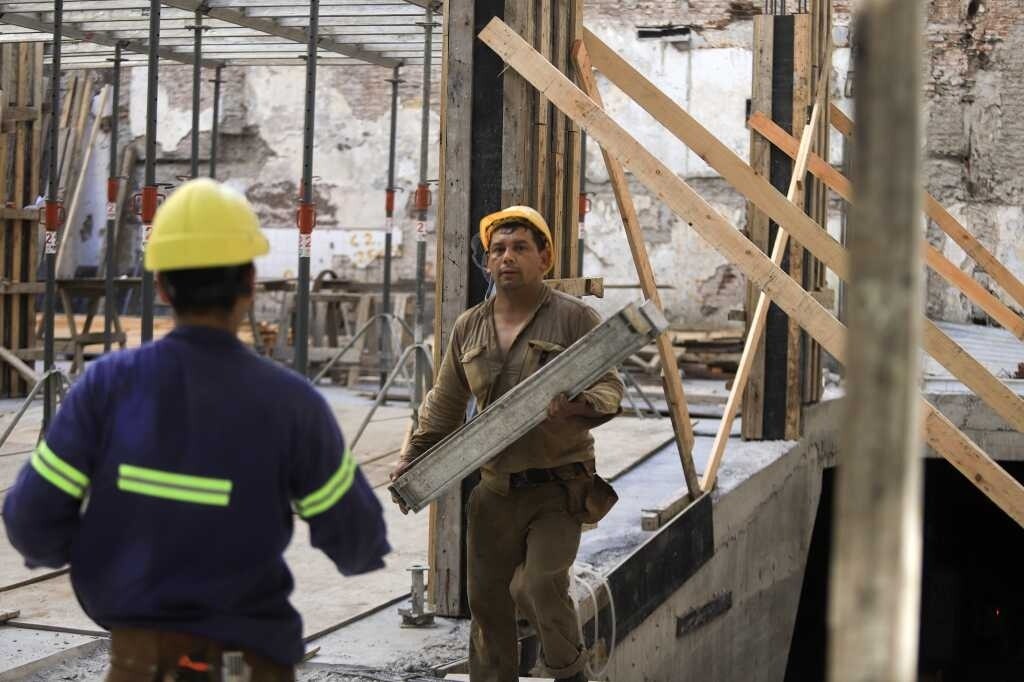
Buenos Aires, February 18 (NA) -- The Labor Reform project has passed the Senate with a three-percentage-point reduction in employer contributions, a net benefit for companies that exceeds the new contribution of 1% for large corporations and 2.5% for SMEs destined for the Labor Assistance Fund (FAL). The direct initial annual fiscal cost of this is estimated at 0.47% of GDP, which is half the cost contained in the original text. The Argentine Institute of Fiscal Analysis (IARAF) calculated that the direct initial annual fiscal cost of the complete reform experienced a 48% reduction compared to the original project, in a report accessed by the Argentine News Agency. While the initial proposal required a public investment of 0.89 percentage points of GDP. The main bet of the Javier Milei government is that this "direct initial annual fiscal cost" with the reduction in rates will lead to greater formalization, which would imply a larger taxable base and a compensation for the annual loss of income for the pension system, pointed out the Córdoba institute headed by Nadin Algañaraz. Only the 3% contribution to the Labor Assistance Fund could be around USD 2.600 million, taking as a reference the average gross salary reported to SIPA. If the figures from the National Accounts System of INDEC on remunerations are considered, that amount could rise to approximately USD 4.700 million per year. Excluding remuneration, the labor cost for registered employment - on the employer side - drops from 27% to 15%. International Context IARAF analyzed that, given the context of OECD countries, the change in Argentina's position due to the changes made can be identified. The countries with the highest burden on an average worker in the sample are Belgium (52.6%), Germany (47.9%) and Austria (47.3%). On the other hand, the countries with the lowest tax wedge are New Zealand (20.8%), Chile (7.2%) and Colombia (0%). If the total tax wedge is considered, that is, the one composed of personal contributions, employer contributions and income tax, Argentina with its 34.6% burden occupies position 25 of the tax burden in the sample of 39 countries (from highest to lowest), below the average tax wedge of OECD member countries. By incorporating the changes provided for by the Labor Reform, the total tax wedge of a formal worker in a large company in Argentina is reduced to 34.1%, maintaining position 25 out of 39 analyzed. In the case of a worker employed by an SME, the burden drops to 33.4% and also maintains position 25. Finally, for a worker covered by the Labor Formalization Incentive Regime (RIFL), which is in effect for 48 months, the tax wedge falls to 27.8% of the total labor cost, which implies a displacement up to position 32 within the group of 39 analyzed countries. Bad Precedents The reduction in contributions had already been tested in the 90s: since 1994 they were reduced by 10 points and in 2001 former Minister Domingo Cavallo reduced them even further. That 20.4 was 16 and the 17 to 13 that they contributed to AFJP. The result was that it did not work and it defunded the system. The reason was attributed to the fact that the four labor reforms did not accompany the proposed objective. Currently, the elasticity of labor demand is very different. If Argentina had grown at a rate of 2% annual per capita, today wages would be around 2500 dollars, approximately on average. But that was not the reality.